
What does AI actually mean for your daily life in Poundbury?
Updated: Aug 6
By Vivienne Westwood

Artificial intelligence. Two words that appear in every newspaper, every news bulletin, every conversation about the future.
But what does it actually mean for you? Not for technology companies. Not for governments. For someone living in Poundbury, going about their week, wondering whether any of this actually matters to them?
Here is an honest answer.
You are already using it!
If you have ever asked Siri or Alexa a question — that is AI. If your email has ever moved a suspicious message to your spam folder automatically — that is AI. You may start to see a summary of emails when you first open them — that is AI. If you have used Google Maps and it suggested a faster route because of traffic ahead — that is AI. If Netflix or Spotify has ever recommended something you actually liked — that is AI.
Artificial intelligence is not a future technology. It is woven into the tools most of us already use every day. What has changed in the last two years is that it has become visible — and available to use directly, not just experience passively.
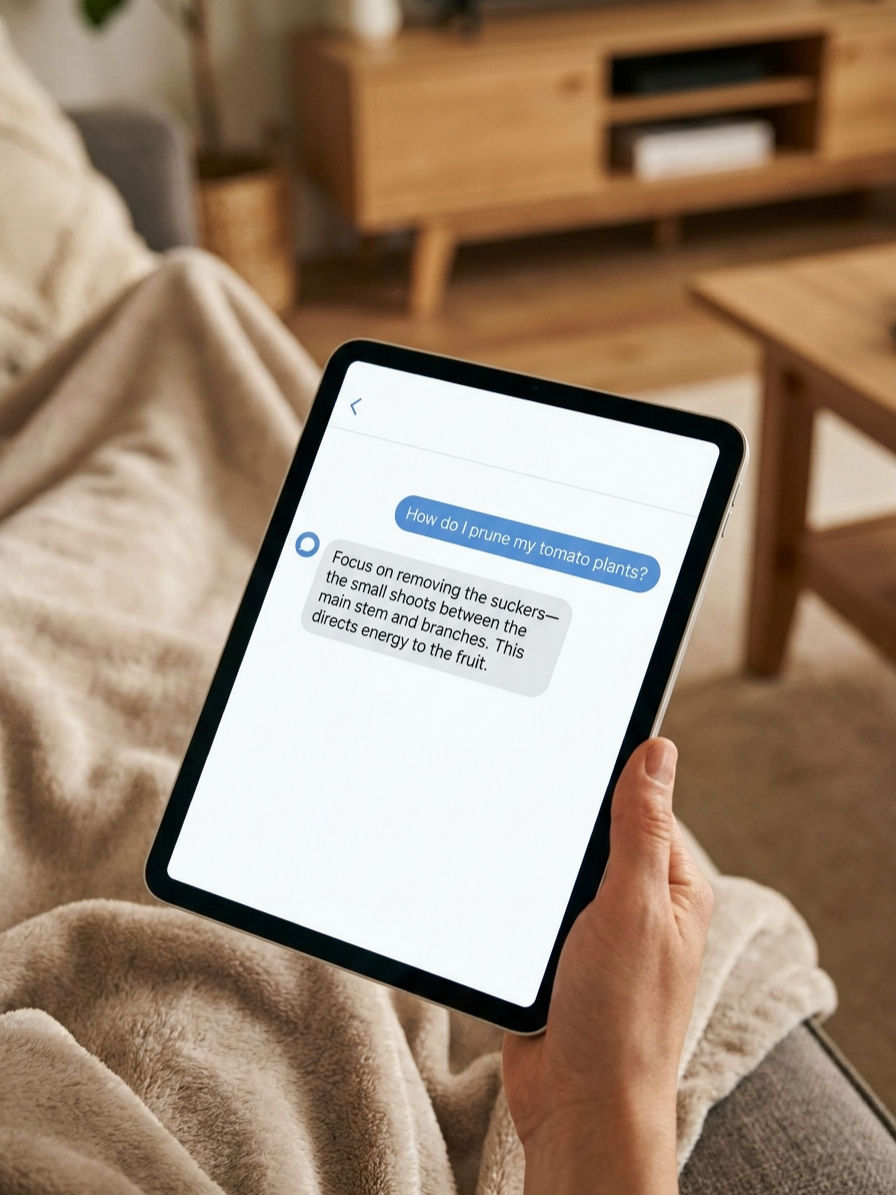
What you can now do with it directly
There are now AI assistants available free of charge that you can talk to or type to as if they were a knowledgeable colleague. You can ask them to explain something complicated in plain English. You can ask them to help you write a letter, draft an email, plan a trip, or summarise a long document. You can ask them to translate something, give you recipe ideas, or help you understand a bill or a contract.
The most widely used are ChatGPT, Google Gemini, and Microsoft Copilot. All have free versions. All work in a browser on any device.
They are not perfect. They sometimes get things wrong. They do not always know the latest information. But as a starting point for research, drafting, or getting a plain-English explanation of something complicated — they are genuinely useful.
What to be careful about
Do not share personal information — your address, financial details, passwords, or sensitive health information — with any AI tool.
Do not treat AI-generated answers as definitive. Always verify anything important from an authoritative source.
Do not assume AI-generated content is accurate just because it sounds confident. The technology is impressive. It is not infallible.
The bigger question
AI is changing things. Not overnight and not in the dramatic way science fiction suggested. But it is changing how information is created, how decisions get made, and how people communicate.
The best thing you can do is not ignore it and not be intimidated by it. Try it. Ask it something. See what it does. The people who will navigate this period best are the ones who are curious rather than fearful.
Your turn — tell us what you think in our poll below.
How do you feel about AI?
0%Excited - I want to know more
0%Cautious - I can see the benefits but I have my concerns
0%Confused - I am not sure what it actually is
0%Worried — I think it is moving too fast
And if you have already tried an AI tool and want to share what happened — good or bad — email tech@lovepoundbury.org with the subject line My AI Experience. We would genuinely love to hear from you.
To read more Tech Tuesday articles, visit the Tech Tuesday library HERE.